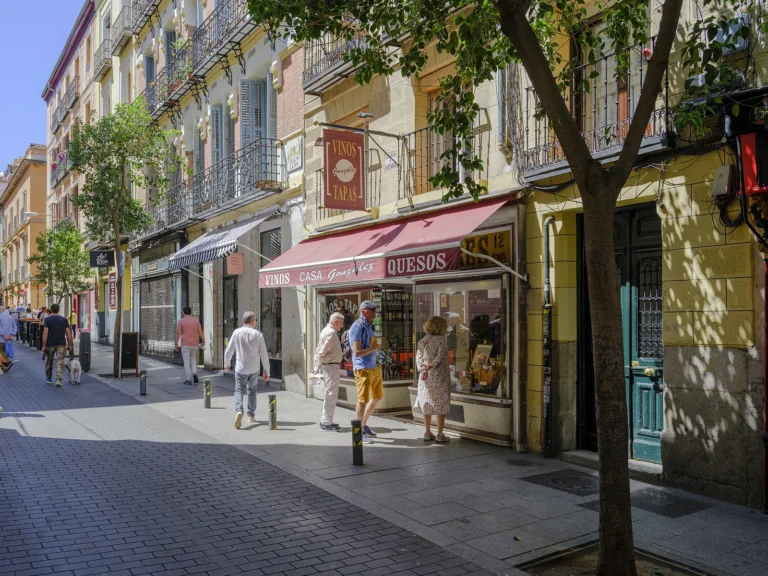

Explore Madrid’s vibrant heart, pulsating with Spanish culture and architectural marvels. Delve beyond the surface and discover souvenirs that embody the city’s essence. From ceramics to local flavors, each item tells a tale of adventure. Let’s uncover the top 10 souvenirs, from Gran Vía to La Latina’s alleys, ensuring your journey is as enriching as the treasures you’ll find. Join us and take home a piece of Madrid’s history to treasure.
Delicious Iberian Ham
Iberian ham, the jewel of Spain’s culinary crown, is a tantalizing fusion of tradition and taste. Picture this: acorn-fed Iberian pigs roaming freely beneath oak trees, their flavorful journey culminating in a rich, marbled ham that melts on the palate like a savory symphony.
Sliced thinly and savored with anticipation, each bite reveals whispers of oak and earth. Paired with a robust Spanish red or a crisp white wine, it’s a sensory delight that transcends time. Whether enjoyed with crusty bread and ripe tomatoes or savored solo, every moment with Iberian ham is an ode to indulgence and culinary expertise. Below, you’ll discover curated recommendations for indulging in this exquisite delicacy. Each slice narrates a tale of centuries-old tradition and culinary mastery.
Where to enjoy it
Restaurant Cinco Jotas:
The Cinco Jotas restaurant is renowned for its excellence in Iberian ham. It offers a gastronomic experience centered around this delicacy, with dishes that highlight its unique flavor. With an elegant and welcoming atmosphere, it’s the ideal destination for lovers of Iberian ham and Spanish haute cuisine.
- Location: C. del Padre Damián, 42, Chamartín, 28036 Madrid
- Website: Restaurant Cinco Jotas
Bar Museo del Jamón:
The Museo del Jamón is a popular attraction in Spain, especially in cities like Madrid. More than a conventional museum, it’s a place where visitors can learn about the history and production process of ham, as well as taste different varieties. They also typically offer a wide selection of Iberian products to take away. With several locations in Madrid, it’s easily accessible for locals and tourists alike.
- Location: Cra de S. Jerónimo, 6, Centro, 28014 Madrid
- Website: Bar Museo del Jamón
Olive Oil
Olive oil, a culinary staple with a millennia-old Mediterranean history, derives from pressing olives and is prized for its taste, adaptability, and health perks. Its origins lie in the eastern Mediterranean, where it served culinary, medicinal, and ceremonial roles. Quality varies due to factors like olive type and climate. Enjoy it in its pure form or as a flavorful addition to dishes. Celebrated for its rich history and health benefits, olive oil can be savored in Madrid through immersive tastings at specialty shops and markets, offering visitors a true taste of this ancient delight.
Where to buy
Alma de Aove Shop:
It is a renowned Spanish brand known for producing high-quality extra virgin olive oil. It is distinguished by its commitment to excellence in all aspects of production, from selecting the best olives to the oil extraction process. Its products are often recognized for their fruity, balanced, and fresh flavor, as well as their elegant presentation. Alma de Aove is appreciated by olive oil connoisseurs and professional chefs alike, and its presence in the market sets a standard of quality in the olive oil industry.
- Location: Calle de Castelló, 14, Salamanca, 28001 Madrid
- Website: Alma de Aove Shop
Morainsa Shop – Aceites de Oliva:
Morainsa is an olive oil production company based in the region of Andalusia, Spain. It specializes in producing high-quality extra virgin olive oil using traditional methods and modern technology to ensure an exceptional product.
Morainsa offers a wide range of products, from mild and fruity olive oils to more intense and robust varieties, tailored to different culinary preferences and uses. Additionally, the company is dedicated to innovation and continuous improvement in olive oil production, maintaining its position as a leader in the national and international market.
- Location: C. de Cavanilles, 12, Retiro, 28007 Madrid
- Website: Morainsa Shop – Aceites de Oliva:
Wine
Spanish wines are celebrated worldwide for their diverse flavors, quality, and rich history. From bold reds to crisp whites and sparkling varieties, Spain offers a wide range of options. Regions like La Rioja and Ribera del Duero produce renowned wines, while others, like Rías Baixas and Jerez, offer unique flavors. With a focus on quality and authenticity, Spanish wines have gained international recognition.
Their centuries-old winemaking tradition, combined with modern techniques, ensures excellence in every bottle. From ancient vineyards to modern wineries, Spain’s wine culture is vibrant and inviting, making it a favorite among wine enthusiasts globally.
Where to buy
Madrueño’s Wine Shop: It’s a specialized store in high-quality Spanish wines, with a careful selection of wineries and varieties.
- Location: Calle de Calatrava, 19, Centro, 28005 Madrid
- Website: Madrueño’s Wine Shop
Madrid & Darracott: A wine shop and bar with a focus on small producers and lesser-known regions, providing a unique selection for wine enthusiasts.
- Location: Calle del Conde de Romanones, 2, Centro, 28012 Madrid
- Website: Madrid & Darracott
De Vinos (facebook link): Offers a diverse selection of Spanish and international wines, expert guidance, and tastings, making it a go-to destination for wine enthusiasts.
- Location: C. de la Palma, 76, Centro, 28015 Madrid
- Website: De Vinos
Ezcaray Blankets
Ezcaray blankets are traditional textile products manufactured in the town of Ezcaray, located in La Rioja, Spain. These blankets are characterized by their high quality, durability, and typical designs and colors of the region.
Primarily made from sheep’s wool, Ezcaray blankets are known for their softness and comfort, making them ideal for keeping warm during the winter months. In addition to their functionality, these blankets are also valued as decorative pieces that reflect the craftsmanship and culture of the area.
Ezcaray blankets can be found not only in local artisanal shops but also in major Spanish retail chains such as El Corte Inglés.
Experience Madrid’s Vibrancy: Picture yourself immersing in the dynamic energy of Madrid, gliding through its streets on a bicycle. Join in any of our Madrid Bike Tour, where we’ll guide you through the city’s hidden treasures and lively neighborhoods. It’s a thrilling adventure, offering a unique glimpse into Madrid’s rich culture and history. Ready to discover the city in a whole new way? Let’s pedal through Madrid’s vibrant streets together!
Espadrilles
Spanish espadrilles, a classic footwear choice with jute or esparto soles and canvas uppers, hail from Spain. Offering comfort and breathability, they’re a hit in warmer climates. Once favored by peasants, they’ve evolved into a fashion statement. From traditional to contemporary styles, they cater to diverse tastes.
Their authenticity makes them a sought-after souvenir for travelers. Produced by Spanish and global brands, they span various price points and qualities. Symbolizing Spain’s vibrant culture, they’re cherished both locally and internationally, adding flair to any wardrobe and serving as a reminder of Spanish heritage wherever they go.
Where to buy
Casa Hernanz: This historic store in the Lavapiés neighborhood has been selling espadrilles since 1845 and is known for its wide variety and affordable prices.
- Location: C. de Toledo, 18, BAJO(LOCAL, Centro, 28005 Madrid
- Website: Casa Hernanz
Castañer Madrid: Another prestigious brand in the world of espadrilles, with a store in Madrid offering classic and modern models.
- Location: Calle de Claudio Coello, 51, Salamanca, 28001 Madrid
- Website: Castañer Madrid
Mantón de Manila
The mantón de Manila is a traditional Spanish garment that has become a symbol of elegance and Spanish culture. Although its name suggests a connection with the Philippines, its origins are Spanish. During the 16th and 17th centuries, Spain maintained significant trade with the Philippines through the Manila Galleon trade route, which connected Manila with Acapulco and then with Spain. Silk embroidered shawls, known as “mantones de Manila,” were one of the most popular luxury products exported from the Philippines to Spain.
These shawls were elaborately decorated with floral motifs and intricate designs, and they became an essential part of Spanish attire, especially among women. For centuries, the mantón de Manila has been a prominent feature in folk dances, regional costumes, and festive events throughout Spain.
Although its popularity has waned in everyday life, the mantón de Manila continues to be appreciated as a textile art piece and a symbol of Spain’s rich cultural history. Today, it is used on special occasions such as weddings, flamenco dances, and other traditional celebrations, keeping its tradition and beauty alive.
Where to buy
Casa de Diego
Established in 1858, Casa de Diego, a renowned Madrid landmark located in the bustling Sol neighborhood near Puerta del Sol square, offers a wide range of Spanish fans, umbrellas, and accessories, including the famous Spanish fan, known for its quality and tradition, providing a unique shopping experience with exceptional customer service.
- Location: Puerta del Sol, 12, Centro, 28013 Madrid
- Website: Casa de Diego
Turrón, Marzipan & Alfajores
Turrones, marzipans, and alfajores are traditional sweets with origins in different parts of the world. Turron is a Spanish sweet with records dating back to the Arab domination of the Iberian Peninsula, primarily made from almonds and honey, although there are variations with other ingredients. Marzipan is another Spanish sweet, originating from the Middle Ages, mainly made from ground almonds and sugar.
On the other hand, alfajores originate from the Arab region and have become popular in countries like Spain and Latin America. They consist of two cookies or biscuits joined by a sweet filling, such as dulce de leche, often coated in powdered sugar or chocolate. These sweets have evolved over time and adapted to different cultures, but they all share a long history and are appreciated for their flavor and tradition.
Where to buy
Casa Mira
Casa Mira is a famous confectionery based in Madrid, Spain, renowned for its exquisite selection of traditional Spanish sweets. Established in 1855, it’s a popular destination for sweet enthusiasts, especially known for its turrones, marzipans, and other Spanish delicacies. The confectionery is celebrated for its commitment to quality and authenticity, maintaining traditional recipes and using high-quality ingredients. Casa Mira is an iconic establishment in Madrid, offering a taste of authentic Spanish sweets to all who visit.
- Location: Carrera de San Jerónimo, 30, Centro, 28014 Madrid
- Website: Casa Mira
Spices (Manchego saffron & Pimentón de la Vera)
Manchego saffron and Pimentón de la Vera are iconic ingredients in Spanish cuisine. Manchego saffron, cultivated in La Mancha, boasts an intense aroma, slightly bitter taste, and golden-yellow hue, enhancing dishes like paellas and stews. Pimentón de la Vera, smoked paprika from Cáceres’ La Vera region, offers a smoky, deep flavor from sweet red peppers, available in sweet, bittersweet, and spicy varieties. It’s a staple in dishes like chorizo and stews. Both ingredients are prized for their quality and are indispensable in Spanish and global kitchens, adding distinctive flavors and enriching culinary experiences. Gourmet shops offering these delicacies are listed below.
Where to buy
Azafrán La Melguiza
- Location: Calle de Santiago, 12, Centro, 28013 Madrid
- Website: Azafrán La Melguiza
Granel Madrid:
- Location: Calle de Embajadores, 12, Centro, 28012 Madrid
- Website: Granel Madrid
Toledo Damascening
Toledo Damascening is a traditional craft from Spain’s Toledo city, dating back to medieval times. It involves embedding gold or silver threads onto metal surfaces, reflecting Toledo’s diverse heritage. While its exact origins are uncertain, it likely arrived during Arab rule. Local artisans refined the technique, making Toledo a prominent center for damascening in Europe.
Historically used on weapons, armor, and religious objects, it remains appreciated for its beauty and precision. Damascened pieces are found in souvenir shops and galleries across Spain, serving as a symbol of the country’s rich cultural heritage and traditional craftsmanship.
Most notable shops are located in Toledo, globally renowned for its swordsmiths.
Spanish Fan
Spanish fans are iconic symbols of Spanish culture, valued for both their elegance and practicality in warm climates. Originating from cities like Seville and Valencia, their production dates back centuries. Crafted from wood, fabric, and lace, many are hand-painted with intricate designs, showcasing Spain’s rich heritage. Fans serve as souvenirs, gifts, and accessories for traditional events like flamenco. Their timeless charm transcends functionality, embodying grace and sophistication, making them quintessential Spanish cultural artifacts.
Where to buy
Casa de Diego
Established in 1858, Casa de Diego, a renowned Madrid landmark located in the bustling Sol neighborhood near Puerta del Sol square, offers a wide range of Spanish fans, umbrellas, and accessories, including the famous Spanish fan, known for its quality and tradition, providing a unique shopping experience with exceptional customer service.
- Location: Puerta del Sol, 12, Centro, 28013 Madrid
- Website: Casa de Diego
Concluding with Discovery: After immersing yourself in the rich tapestry of Madrid’s souvenir offerings, why not top off your journey with a twist of adventure? Our Madrid Bike Tour offer an exhilarating yet leisurely way to digest your experiences, guiding you through the city’s historical essence and architectural marvels from the saddle. Suitable for all skill levels, this unique experience promises to leave you with lasting memories, blending the excitement of souvenir discovery with the spirit of exploration.
Conclusion
As we conclude our exploration of Madrid, from uncovering its hidden gems to strolling its lively streets steeped in history, we realize that our journey is just beginning. Beyond the allure of charming souvenirs lies an exciting opportunity to delve even deeper.
Envision yourself weaving through the bustling streets and quaint alleys you’ve come to love, with the wind in your hair and the heartbeat of the city beneath your feet. Consider this our invitation to immerse yourself further in the vibrant tapestry of Madrid, in a way that’s as dynamic and spirited as the city itself. The adventure beckons – are you ready to embrace it?